Organic agriculture is more than just farming without chemicals—it's a holistic approach that balances nature and farming to create sustainable, eco-friendly food systems. The Philippines, with its rich agricultural heritage, is an ideal place for organic farming. Making your own organic fertilizers is not only cost-effective but also environmentally friendly. Here are a few popular methods:
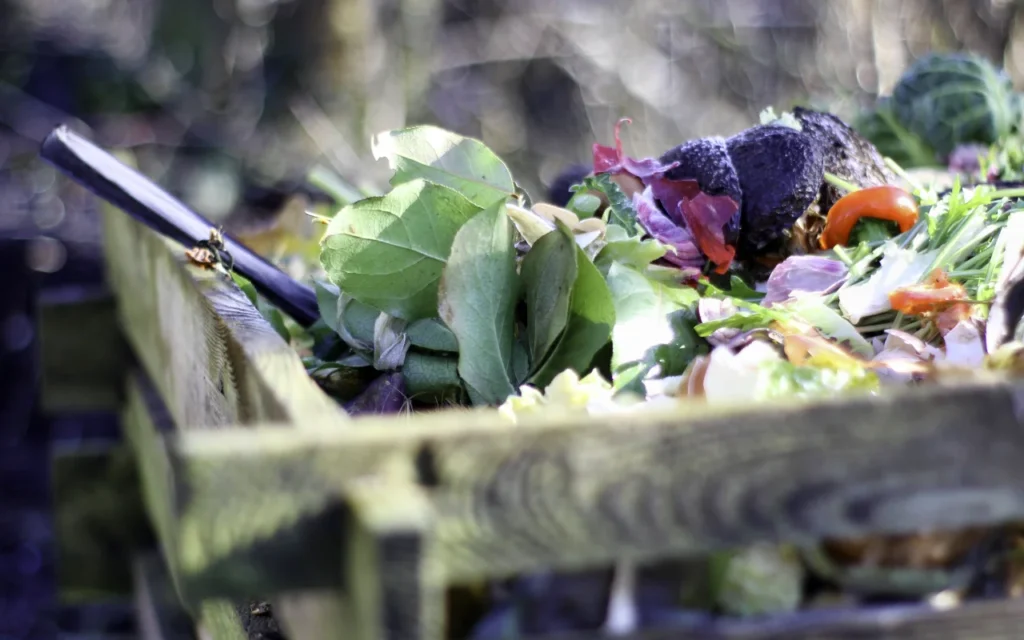
1. Composting
Composting is a natural process of decomposing organic matter into nutrient-rich humus.
Materials:
- Kitchen scraps (vegetable and fruit peels, coffee grounds, tea bags)
- Yard waste (leaves, grass clippings, small branches)
- Manure (from animals like cows, pigs, or chickens)
Steps:
- Layer: Create layers of green (nitrogen-rich) and brown (carbon-rich) materials in a compost bin or pile.
- Moisture: Keep the pile moist but not soggy.
- Aerate: Turn the pile regularly to introduce oxygen and speed up decomposition.
- Wait: After a few months, the compost will be ready to use.
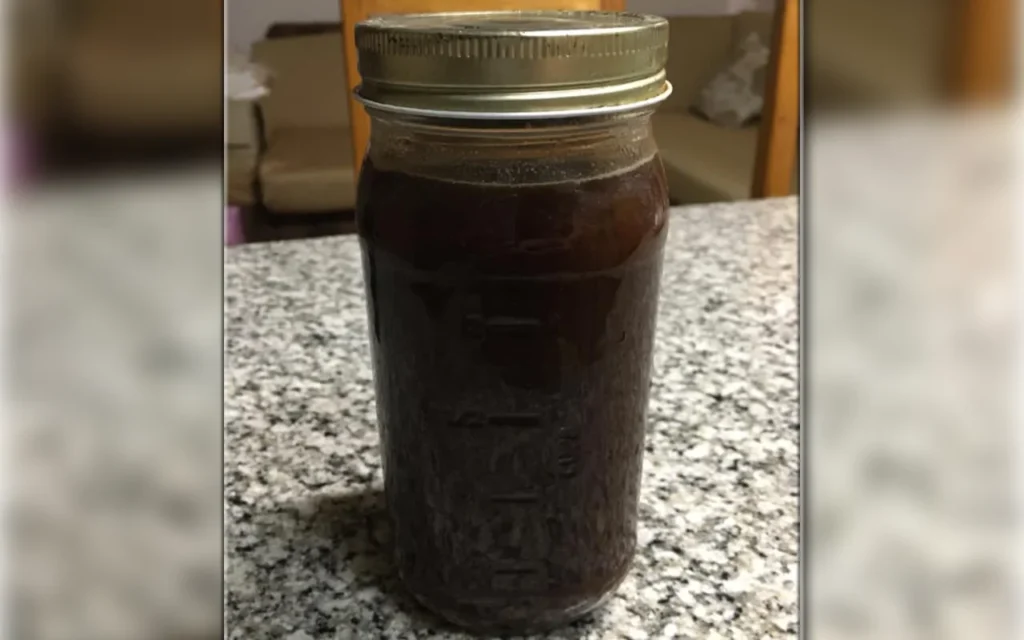
2. Fermented Plant Juice (FPJ)
FPJ is a liquid fertilizer made by fermenting plant materials.
Materials:
- Fresh plant materials (weeds, grasses, or kitchen scraps)
- Water
Steps:
- Soak: Soak the plant materials in water for a few days.
- Ferment: Allow the mixture to ferment for a week or two.
- Dilute: Dilute the fermented liquid with water before applying to plants.
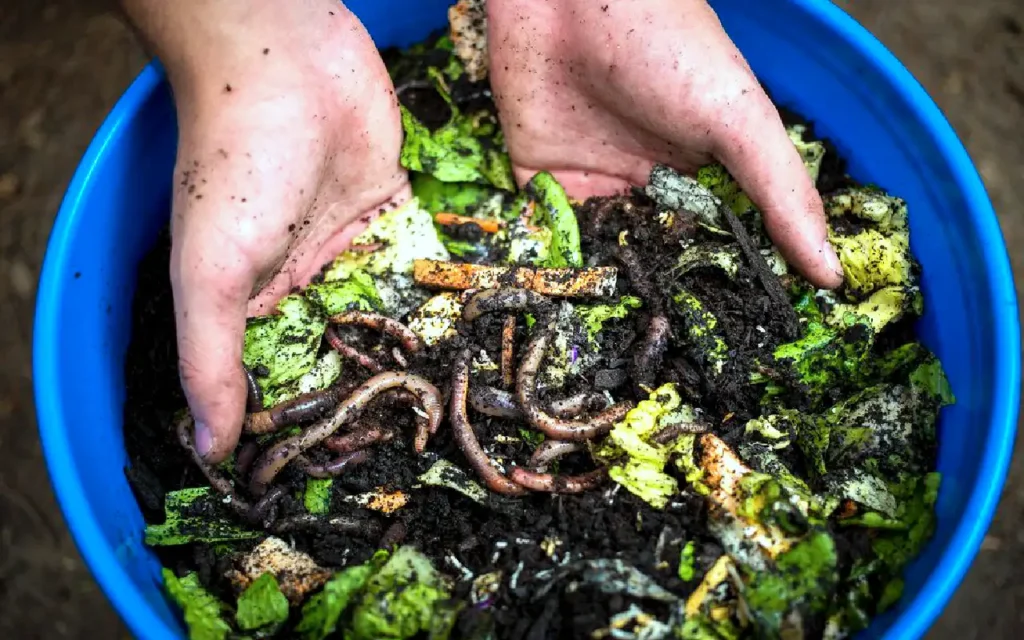
3. Vermicomposting
Vermicomposting involves using worms to decompose organic matter.
Materials:
- Red worms
- Organic waste (kitchen scraps, paper, cardboard)
- Compost bin or container
Steps:
- Layer: Layer the organic waste in the bin.
- Add worms: Introduce red worms to the bin.
- Maintain: Keep the bin moist and aerated.
- Harvest: Harvest the worm castings as a rich organic fertilizer.
Tip: Provide a balanced diet with the right protein, calcium, and other nutrients.
- Chicks: Starter feed (20-24% protein)
- Broilers: Grower feed (18-20% protein)
- Layers: Layer feed (16-18% protein with added calcium)
Trick: Supplement with kitchen scraps (vegetables, grains) and oyster shells for added calcium to boost egg quality.
Tips for Effective Organic Fertilizing:
- Soil Testing: Before applying fertilizers, test your soil to determine its nutrient needs.
- Balanced Nutrition: Ensure your fertilizers provide a balance of nitrogen, phosphorus, and potassium.
- Regular Application: Apply fertilizers regularly to maintain soil fertility.
- Mulching: Use mulch to conserve moisture and suppress weeds.
- Crop Rotation: Rotate crops to prevent nutrient depletion and pest and disease problems.
By following these methods and tips, you can create high-quality organic fertilizers that will nourish your plants and improve your soil health.
Would you like to learn more about specific techniques and get a Organic Agriculture Production
NCII ?
Enroll now at Doña Amparo at Daan-Ili
Allacapan, Cagayan!